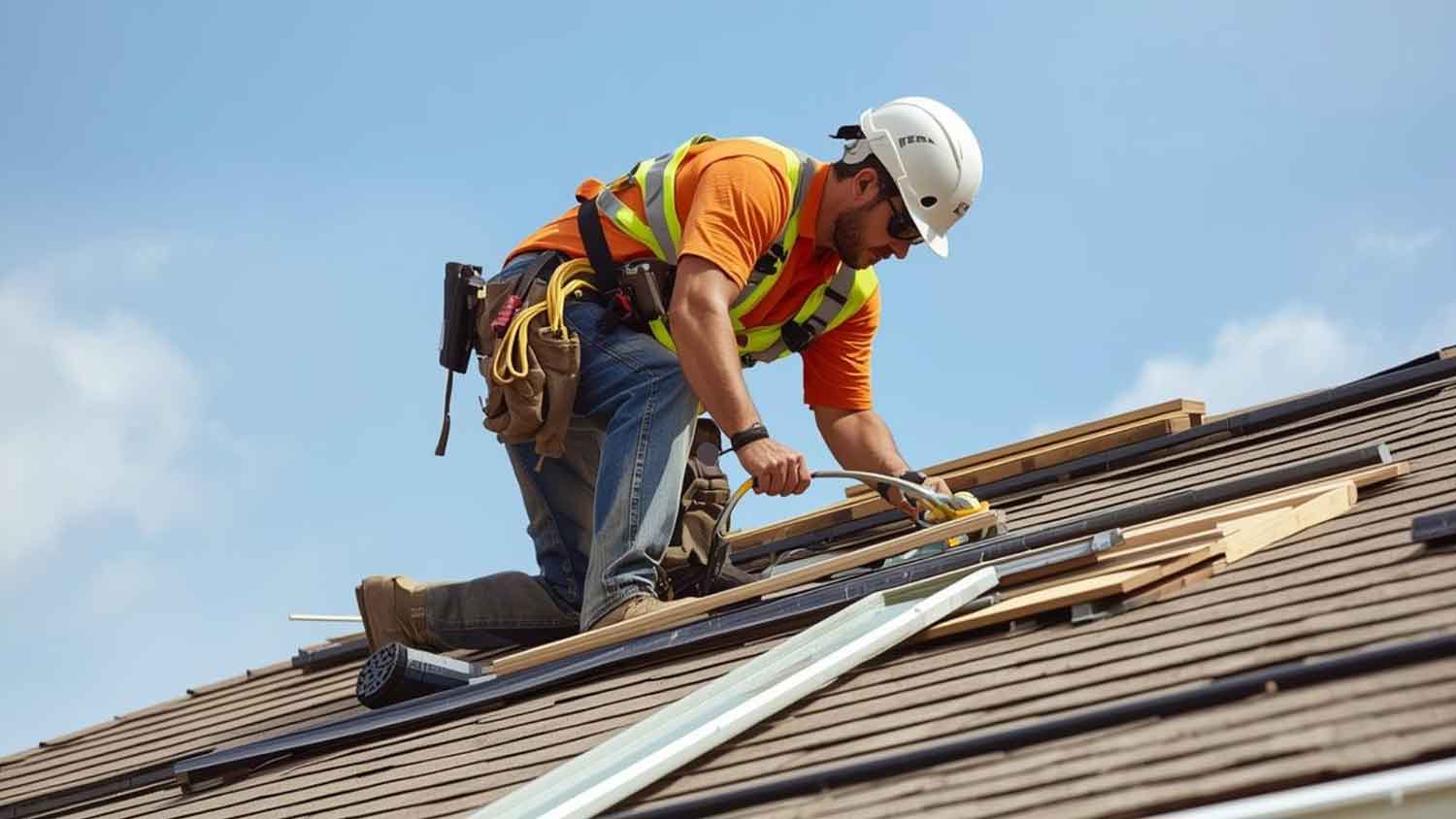
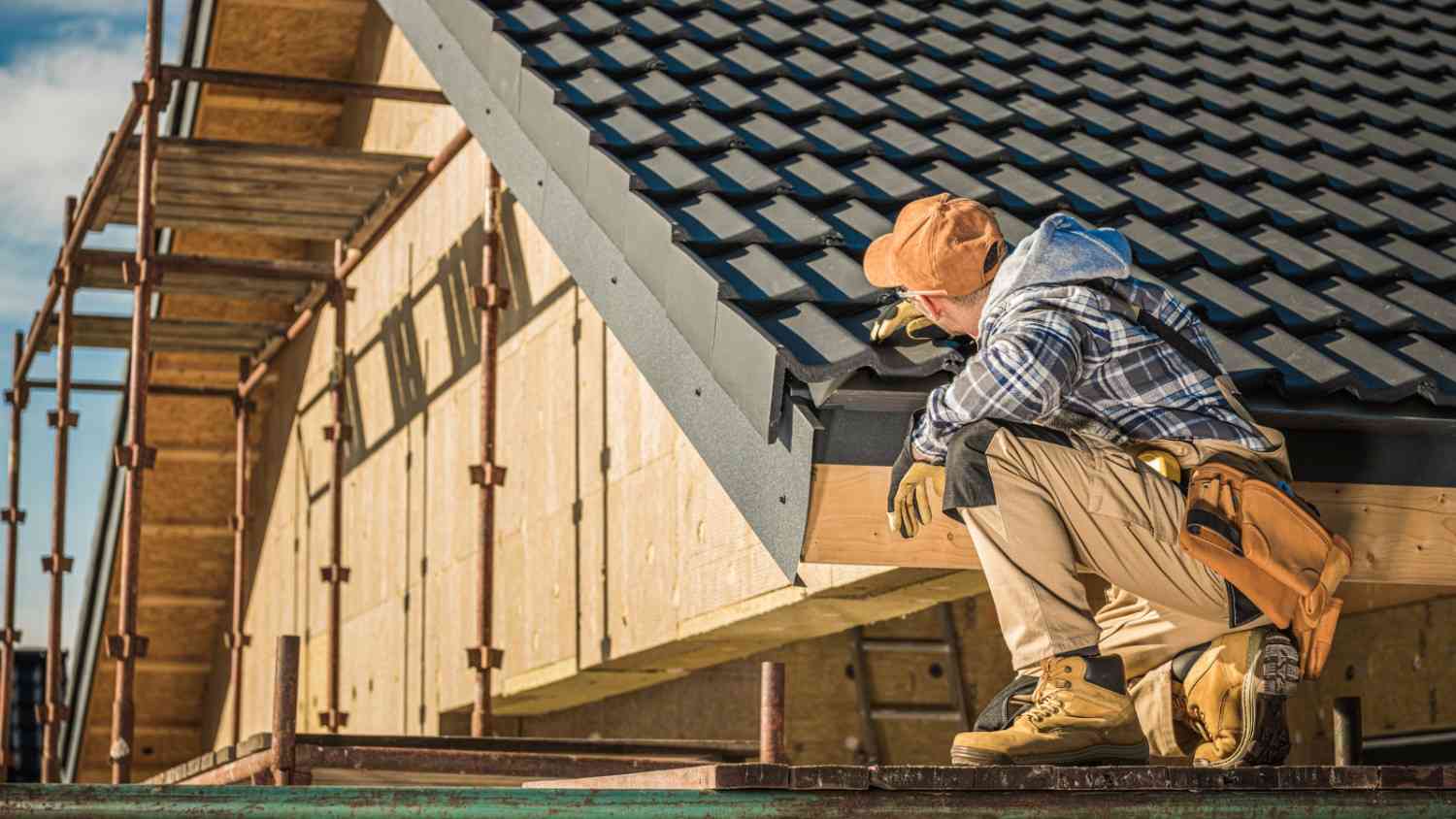
Roofing work in HOA communities and multi-family buildings often creates stress for board members, property managers, and residents. Projects are large, disruptive, and expensive, and they require coordination across multiple units and shared structures. Many teams struggle with unexpected damage, unclear scopes, contractor issues, and escalating costs.
The challenge grows in Orange County, where older buildings, coastal weather, and strict code requirements add pressure. Miscommunication, delays, and poor planning can quickly spread frustration throughout a community. When projects lack structure, even small roofing tasks can snowball into long-term problems.
To help you thrive with these problems, we will break down what you need to know before you start.
You’ll learn how to manage roofing projects for HOAs and multi-family buildings in Orange County with clarity, organization, and a practical approach. You’ll also see how roofing services fit into this process and help maintain long-term durability.
What Are Roofing Projects for HOAs and Multi-Family Buildings
Roofing projects for HOAs and multi-family buildings involve maintaining, repairing, or replacing roofing systems across shared residential structures. These properties can include townhomes, condominiums, apartment complexes, and mixed-use buildings.
Their roofs endure heavy wear because of age, weather exposure, and the number of connected units. As a result, these projects require more planning and oversight than standard single-family roofing work.
These projects often include:
- Large-scale roof replacement across multiple buildings
- Targeted repairs for leaks, moisture intrusion, and damaged materials
- Upgrades to flashing, underlayment, ventilation, and drainage
- Waterproofing and coating for flat or low-slope roofs
These jobs involve more stakeholders than typical roofing work. HOA boards, property managers, and residents all expect clarity, safety, and minimal disruption. Multi-family roofs also require compliance with Orange County codes and manufacturer installation standards.
This creates a structured process that touches budgeting, communication, contractor selection, and long-term planning.
Each project aims to protect buildings, safeguard residents, and preserve the community’s value. When done correctly, roofing projects extend the lifespan of shared structures and reduce the need for emergency repairs.
They also help maintain compliance with reserve studies and California HOA regulations. Proper planning ensures the work is predictable, transparent, and manageable for everyone involved.
How to Manage Roofing Projects for HOAs and Multi-Family Buildings in Orange County
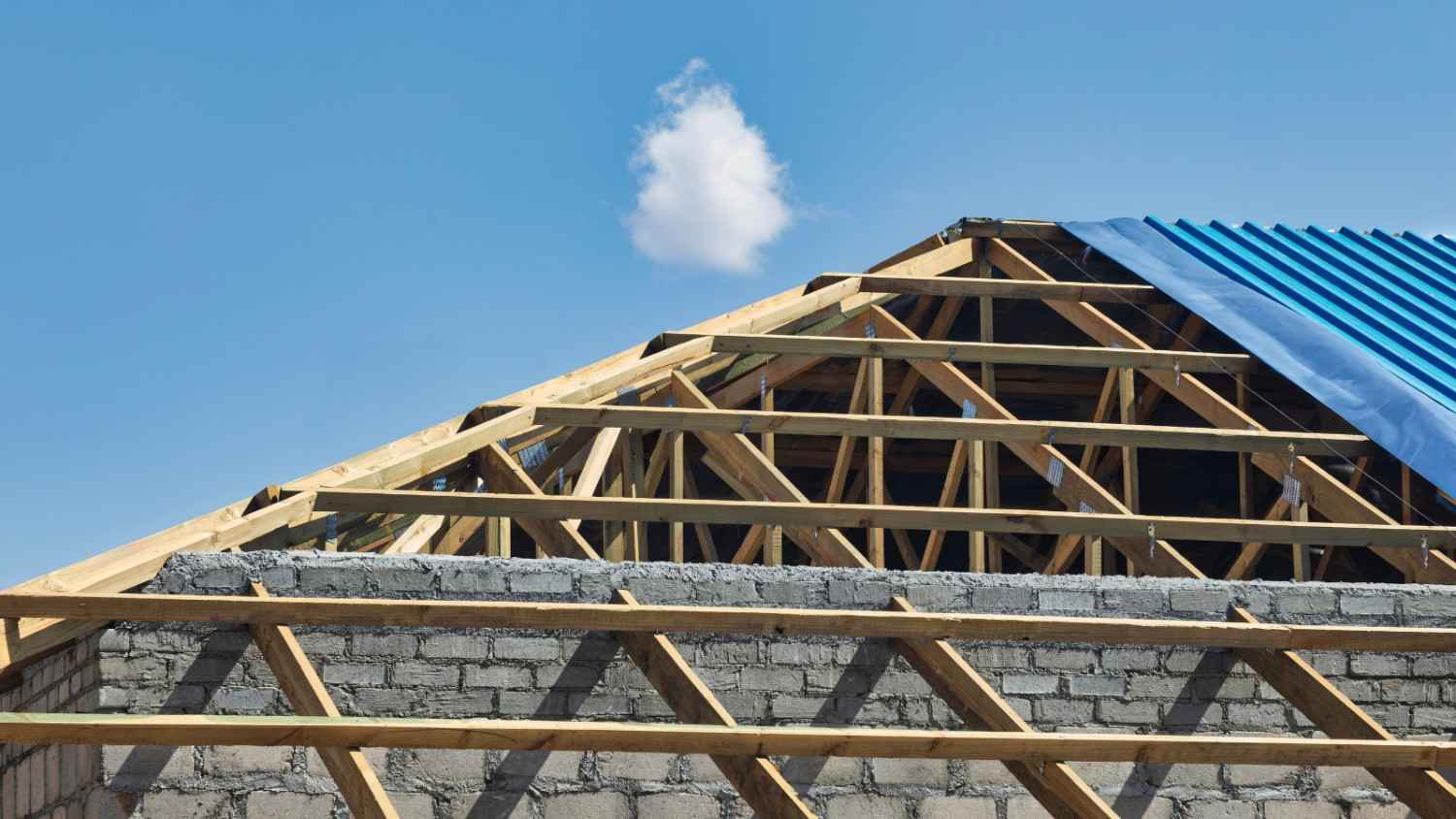
Managing roofing projects across large residential communities requires structure, clear direction, and consistent follow-through. Each phase affects budgets, schedules, and the comfort of every resident in the building.
The sections below break down the core steps you need to handle these projects with confidence and outline what to focus on at each stage of the process.
Conducting Comprehensive Roof Inspections and Initial Assessments
Every roofing project starts with a thorough inspection that reveals the roof’s actual condition. This step identifies surface damage, underlying issues, and structural concerns that may not be visible from the ground. Inspectors rely on physical evaluations and innovations in roofing inspections to document moisture problems, worn materials, and early signs of failure that affect long-term planning.
Initial assessments also help the HOA or property manager understand the scope of work. They provide clarity on whether the roof needs repairs, partial replacement, or full replacement. This assessment becomes the foundation for budgeting, scheduling, and selecting the right contractor. It also gives decision-makers a realistic picture of what to expect before any work begins.
Establishing Project Budgets and Securing Reserve Fund Approval
Budgeting for roofing projects requires accuracy, transparency, and alignment with HOA reserve study requirements. Costs often include materials, labor, inspections, permitting, and contingencies for unexpected structural issues. HOAs need a clear financial roadmap to protect the community from overspending and avoid mid-project delays.
Once the budget is established, the board must review reserve fund allocations and secure approval in accordance with governing documents. This step ensures the project meets legal and financial standards, especially under California’s Davis-Stirling Act. It also prepares the community for any necessary notices or meetings before work can move forward.
Selecting and Vetting Qualified Roofing Contractors in Orange County
Choosing the right contractor shapes the success of the entire project. HOAs and property managers need contractors who specialize in multi-building projects, understand local codes, and have a strong record of delivering work on schedule. Proper vetting prevents issues related to safety, workmanship, and communication once construction begins.
The selection process typically includes reviewing experience, insurance, project history, and installation methods. Detailed proposals help compare materials, timelines, warranties, and cleanup plans. A well-vetted contractor reduces risk and gives boards confidence that the work will be handled with accountability and care.
Communicating with Residents and Managing Disruptions Throughout the Project
Clear communication keeps residents informed and reduces confusion during roofing work. Notices about schedules, work zones, noise levels, and parking adjustments help residents plan their day and avoid unnecessary frustration. When communication stays consistent, the community feels included rather than inconvenienced.
Managing disruptions also requires coordination with the contractor. This involves planning work hours, setting safe access points, and maintaining predictable timelines. When the HOA and contractor address concerns quickly, residents remain more patient and understanding throughout the project.
Overseeing Project Execution Quality Control and Safety Compliance
Once construction begins, oversight becomes essential. HOAs and property managers must track daily progress, monitor installation practices, and confirm that materials match the agreed scope. Consistent oversight prevents mistakes from going unnoticed and ensures the roof performs as expected.
Safety compliance is another critical responsibility. Roofing crews must follow OSHA guidelines, maintain clean workspaces, and protect residents from hazards. A structured monitoring system keeps the project on track and reduces the chance of accidents or costly rework.
Completing Final Inspections, Warranty Documentation, and Long-Term Maintenance Planning
The project only reaches completion once final inspections confirm that the work meets code, manufacturer requirements, and community expectations. This step verifies that all tasks were completed correctly and that no unresolved issues remain. It also confirms that roofing contractor credentials align with the promised standards of workmanship.
After inspections, HOAs must collect warranties, close-out documents, and updated maintenance guidelines. These materials support long-term planning and help the board schedule routine inspections, cleanings, and future updates. A detailed maintenance plan ensures the new roof lasts its whole lifespan and protects the community’s investment.
How Truecraft Construction Can Help?
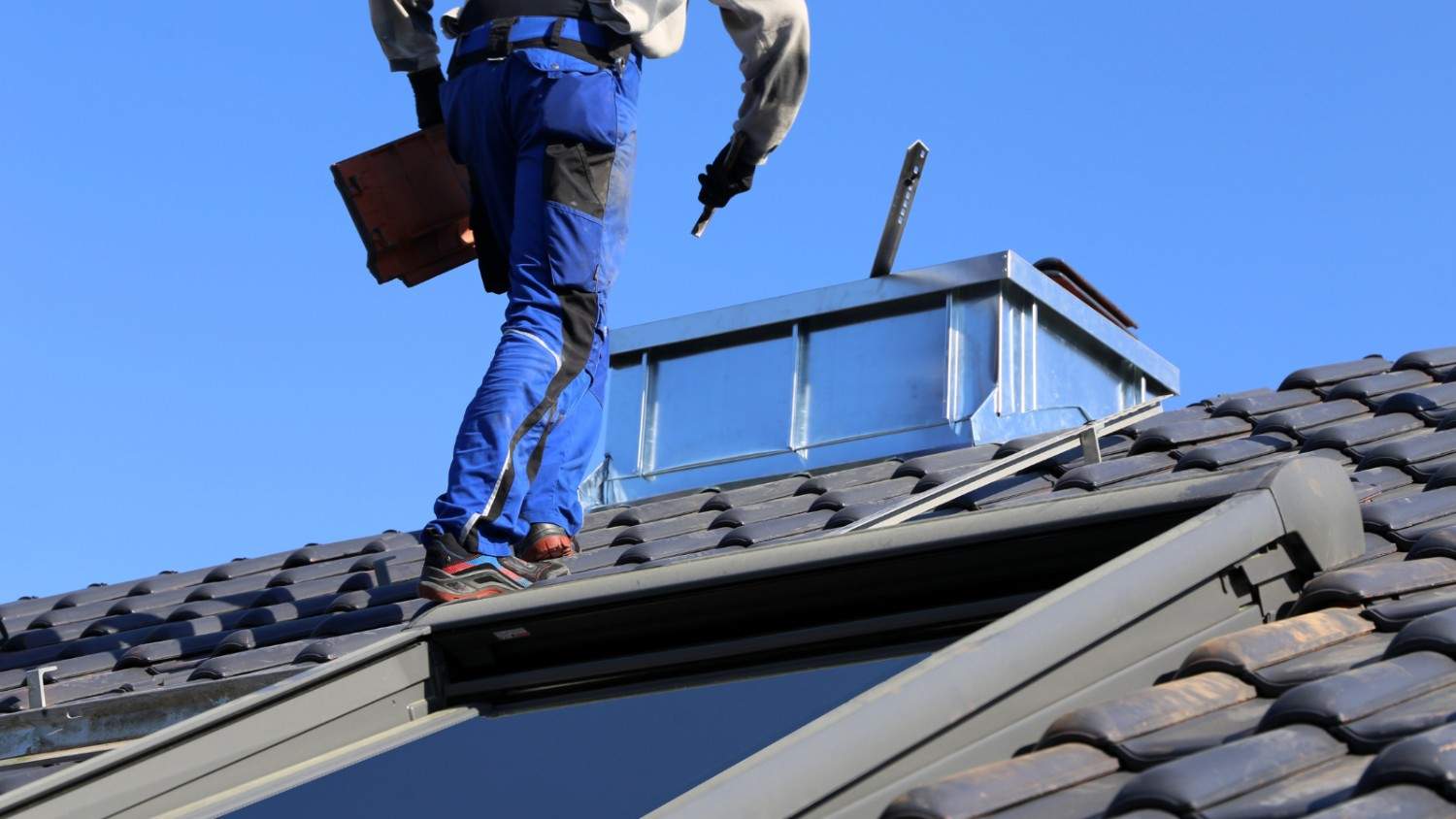
Truecraft Construction supports HOAs and multi-family communities with structured project management and reliable workmanship. Our team understands how complex these projects can be and provides clear communication from the initial inspection to the final walk-through. We focus on helping property managers, board members, and residents feel confident at every stage.
We act as a full-service roofing contractor, handling assessments, planning, and execution with precision. Our crew is trained to work in occupied buildings while prioritizing safety and resident comfort. We also tailor every project plan to the community’s layout, age of the buildings, and long-term maintenance goals. Clients receive detailed scopes, accurate timelines, and proactive updates.
Working with Truecraft Construction gives HOAs access to:
- Comprehensive roof evaluations with photo documentation
- Accurate scopes and transparent pricing
- Skilled crews experienced in multi-building roofing
- Strict adherence to Orange County codes and safety protocols
- Phased schedules that limit disruption for residents
We stay involved through close-out and ensure each project ends with complete documentation, warranties, and clear maintenance steps. Our goal is to deliver long-lasting results with minimal stress on the community.
We help HOAs protect property value, reduce emergency repairs, and maintain strong building performance. You gain a partner who prioritizes communication, safety, and reliable execution.
The final result is a roofing project that stays organized, moves forward with clarity, and reflects quality at every step. Truecraft Construction provides dependable service, steady support, and a smooth experience from start to finish. We keep the process manageable and predictable. Your community receives a roof that lasts.
Schedule Your Consultation Today!
Roofing projects across HOAs and multi-family communities work best when handled with structure and expertise. With the right team guiding inspections, planning, and installation, your buildings stay protected, and your community feels more supported through every phase of the project.
If you want a reliable partner who understands the unique demands of large residential properties, connect with Truecraft Construction today.
Schedule your consultation to assess your needs, outline a clear plan, and help you move forward with confidence.