Roofing issues can be overwhelming for homeowners. From choosing the right materials to scheduling repairs, there are many decisions to make. The complexity of roofing systems often leaves people uncertain about how to approach maintenance, repairs, and replacements.
This blog will address common questions about local roofing systems and help debunk myths that could cost homeowners money. We’ll walk through key FAQs and provide clarity on essential roofing practices.
Additionally, we’ll challenge misconceptions surrounding roofing repairs, materials, and contractors, enabling you to make informed decisions.
With our roofing services in mind, the goal is to equip you with the knowledge you need to protect your home. Let’s dive into the essential questions and clear up the confusion.
Why Understanding Local Roofing Knowledge Is Essential
Roofing is not a one-size-fits-all service. The materials, installation techniques, and maintenance schedules depend heavily on the local climate, geography, and building regulations. Without this local insight, homeowners risk making poor decisions that could result in premature repairs or replacements.
Understanding local roofing knowledge is key for homeowners to:
- Select the right roofing materials for their specific climate.
- Recognize the actual signs of roof damage early.
- Plan roofing projects around ideal seasonal conditions.
- Avoid common myths that lead to unnecessary costs.
Local expertise ensures that you make decisions that match your home’s unique needs. Knowing how your environment influences your roof’s performance is crucial. It allows you to extend your roof’s life and minimize costs. In the end, this knowledge helps protect your home and your investment.
The Most Frequently Asked Questions About Local Roofing Systems Answered
Roofing questions are common, especially when homeowners are faced with repairs or replacements. Understanding the specifics of your local roof system helps you make informed decisions.
Below, we’ll dive into the most frequently asked questions and address key issues such as roof lifespan, repair signs, and when to schedule work.
How Long Should Your Roof Last Based on Your Local Climate Conditions?
Roof lifespan varies depending on the materials used and your local climate. In regions with extreme heat or cold, roofing materials will naturally degrade faster. For example, asphalt shingles in hot, dry climates may last around 15 to 20 years, while slate or metal roofs can endure much longer, up to 50 years or more, in both hot and cold climates.
In areas with frequent rain or snow, the lifespan of your roof may be shorter unless you choose materials that are resistant to moisture, like metal or synthetic shingles. Proper ventilation and regular maintenance can also help extend the life of your roof by preventing the buildup of moisture or ice, which can cause deterioration over time.
What Are the True Warning Signs That Indicate You Need a Roof Replacement?
Recognizing the right time for a roof replacement is crucial to prevent further damage. Visible signs like cracked or missing shingles or a sagging roof deck are clear indicators that the roof is past its prime. If you notice water stains on the ceiling or walls, it means the roof’s protective layer is compromised and should be addressed immediately.
In addition to these obvious signs, you should also keep an eye out for persistent leaks or damaged flashing around chimneys or vents. These issues suggest that your roof can no longer effectively protect your home, and replacement is likely necessary to prevent more extensive damage to your home’s structure.
When Is the Best Season to Schedule Roofing Work in Your Area?
The best time for roofing work depends mainly on your local climate. In most areas, spring and fall are ideal because temperatures are moderate and weather conditions are stable. This allows roofing materials to set correctly, avoiding the potential issues of freezing or extreme heat that can arise in winter and summer.
Scheduling roofing repairs during these seasons also has financial benefits of roofing maintenance. Roofing contractors are generally more available, and materials are easier to work with. By planning your roofing project, you can also take advantage of off-season rates, potentially saving on labor costs.
How Much Should You Realistically Budget for Local Roof Repairs and Replacements?
Roof repair or replacement costs can vary significantly depending on factors like roof size, materials, and labor. Typically, homeowners can expect to spend anywhere between $5,000 and $10,000 for a full replacement. If you are simply repairing sections of the roof, the cost will likely be lower, but prices can range from a few hundred to several thousand dollars, depending on the severity of the damage.
It’s essential to get a few estimates from local contractors to understand the going rates in your area. Factors such as roof pitch, material choice, and accessibility also play a role in final pricing. Always ensure you have a buffer in your budget to account for unforeseen repairs that might arise during the work.
What Does Homeowners Insurance Actually Cover for Roof Damage in Your Region?
Homeowners’ insurance often covers roof damage caused by unexpected events such as storms, hail, or fire. However, it’s crucial to understand that general wear and tear, or damage from poor maintenance, is usually not covered. The specifics of your policy will outline the kind of damage that is eligible for coverage.
Insurance claims for roof damage can be complicated, and local regulations may affect what is covered. For instance, areas prone to heavy storms might have different coverage standards than regions with less severe weather. It’s best to consult with both your insurance provider and a local roofing contractor to understand precisely what’s included in your policy.
How Do You Choose a Qualified Local Roofing Contractor You Can Trust?
Selecting a qualified roofing contractor is essential to ensure your roof is installed or repaired correctly. Start by researching contractors who are licensed, insured, and have a solid reputation in your local area. Look for reviews and ratings from other homeowners, and don’t hesitate to ask for references to verify their experience.
It’s also essential to get multiple quotes to compare prices and services. A trustworthy contractor will offer a detailed, written estimate and explain any potential issues that may arise during the project. Trust and clear communication are key factors when selecting the right contractor for your roofing needs.
Debunking the Most Common Local Roofing Myths That Cost Homeowners Money
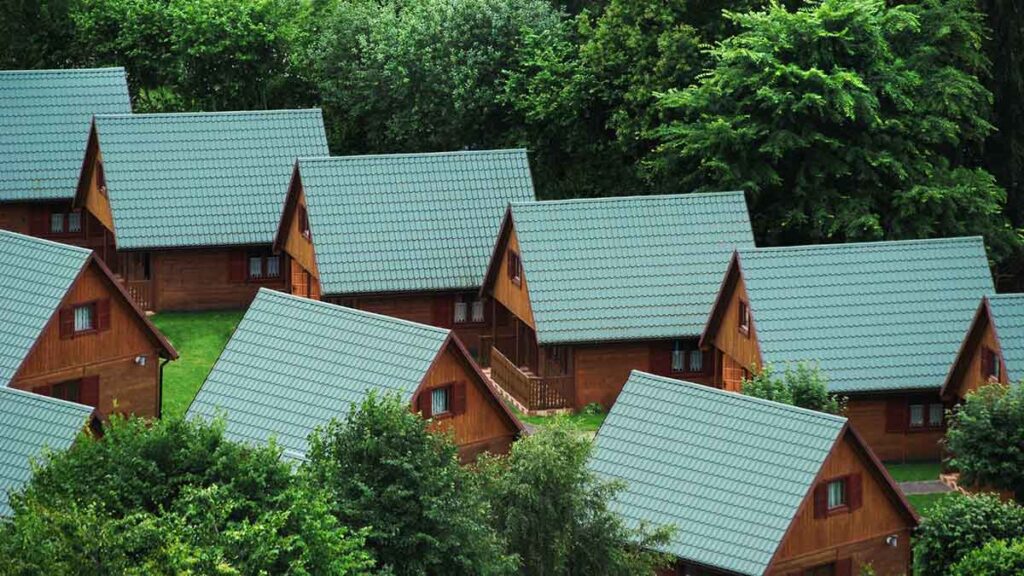
Roofing myths can lead homeowners to make costly mistakes. Misunderstandings about repair timelines, material choices, and contractor decisions are all too common. Let’s set the record straight by clearing up some of the most popular misconceptions that can cost you both time and money.
The Truth About Whether Small Leaks Can Wait Until Later to Be Fixed
Many homeowners believe that small leaks are no big deal and can wait to be fixed until later. However, even minor leaks can lead to significant damage if left untreated. Water infiltrating the roof can weaken the structure, damage insulation, and promote mold growth, which can escalate the cost of repairs.
Waiting to address a small leak can also create additional stress on your roof. Over time, the problem may spread, leading to larger areas of damage and a much higher repair bill. Fixing small leaks promptly prevents these issues from becoming expensive problems.
Why the Cheapest Roofing Bid Is Not Always the Best Value for Your Home
It’s tempting to go with the lowest bid when choosing a roofing contractor, but the cheapest option may not always offer the best value. Lower bids often come with compromises in materials, labor quality, or both. These savings upfront can lead to bigger issues down the road, including poor installation, subpar materials, or the need for frequent repairs.
The best value is not always the lowest price; it’s the contractor who balances quality work with a fair price. Paying for better materials and skilled labor will ultimately save you money on repairs and replacements. Investing in a quality contractor now can protect your home and reduce the likelihood of ongoing roofing problems.
Dispelling the Myth That All Roofing Materials Perform the Same in Your Climate
Not all roofing materials are created equal, and they certainly don’t all perform the same in every climate. Some materials are better suited for particular weather conditions, which directly impacts the longevity of residential roofs. For instance, asphalt shingles perform well in temperate climates but might not hold up as well in areas prone to heavy rain or snow.
Choosing the right material for your region’s weather is crucial for roof durability. For example, metal roofs excel in coastal areas due to their resistance to saltwater corrosion. In contrast, slate roofs are ideal for colder climates where they can handle snow and ice without deteriorating. Understanding how local climate influences your roof’s performance helps ensure you select the most appropriate material for maximum longevity.
The Reality of DIY Roof Repairs Versus Professional Installation Standards
While DIY projects can be satisfying, roof repairs are not the best choice for most homeowners to tackle alone. Without proper training and equipment, DIY repairs can often result in subpar work that compromises the roof’s structural integrity. A professional roofer brings the expertise and tools necessary to complete the job correctly and to code.
Even small mistakes can lead to significant issues later on. Poor installation or repairs can result in leaks, reduced roof lifespan, and even safety risks. Hiring a professional ensures that the job is done right, with attention to detail and proper safety standards.
Debunking Misconceptions About Roof Age and When Replacement Is Actually Necessary
Many homeowners assume that their roof only needs replacement once it hits a certain age, typically around 20 to 25 years. While age is a factor, it isn’t the only determining factor for roof replacement. The condition of the roofing materials and the extent of wear and tear play a more significant role in the overall assessment.
A roof that is only 15 years old may need replacement if it has been poorly maintained, while a 25-year-old roof could still have years of life left if it’s well-kept. A thorough inspection by a roofing professional will provide a clearer understanding of when a replacement is necessary, based on the roof’s condition and the climate’s impact on its longevity.
Making Informed Roofing Decisions for Your Home and Local Environment
Making informed roofing decisions starts with understanding your home’s needs and your local climate. The right materials, installation, and maintenance depend on how the weather impacts your roof. Knowing this allows you to choose options that maximize durability and cost-efficiency.
Relying on a trusted general contractor in Orange County ensures you make the best choices for your region. These professionals bring expertise to help you select materials, install your roof correctly, and plan for long-term maintenance, tailored to your local environment.
In the end, a well-informed roofing decision protects your home and investment. With the proper knowledge and the right team, you can ensure your roof lasts for years, regardless of the weather.